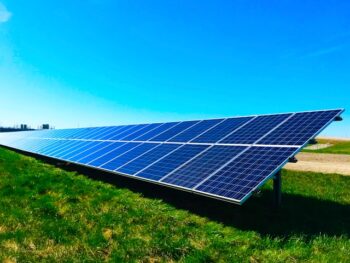
The global energy landscape is currently navigating a period of profound transformation that is perhaps more significant than the Industrial Revolution. As societies move away from centuries of reliance on fossil fuels, the shift toward a decentralized, decarbonized, and digitized energy system presents a complex web of logistical and economic hurdles. This transition is not merely a technical swap of solar panels for coal plants; it represents a fundamental reimagining of how humanity powers its progress. The stakes are incredibly high, as the decisions made in this decade will likely dictate the environmental and economic stability of the next century.
Navigating the Geopolitics of Renewables
One of the most immediate challenges involves the redistribution of geopolitical power. For decades, global influence was largely dictated by access to oil and gas reserves. As we pivot toward renewable sources, the focus is shifting toward the control of critical minerals like lithium, cobalt, and rare earth elements. These materials are the lifeblood of battery storage and electric vehicle production. Countries that previously held little sway in the energy market are now finding themselves at the center of a new resource race. This shift demands a new brand of diplomacy that prioritizes stable supply chains over territorial dominance, ensuring that the green transition doesn’t simply trade one form of resource dependency for another.
Infrastructure and the Great Grid Overhaul
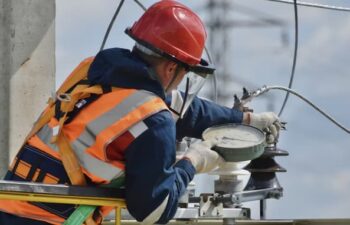
A significant physical barrier to our energy future is the aging state of national power grids. Most existing infrastructure was designed for a centralized model where power flows in one direction from a massive plant to the consumer. Modern energy needs require a bidirectional flow capable of handling intermittent inputs from residential solar arrays and massive wind farms located far from urban centers. Upgrading these grids requires trillions of dollars in investment and a radical departure from traditional engineering. We are looking at a future where “smart grids” use real-time data to balance supply and demand, effectively acting as a digital nervous system for the planet’s energy consumption.
The Role of Storage in a Sun and Wind World
The intermittency of renewable energy remains a stubborn technical challenge. The sun does not always shine, and the wind does not always blow when demand is at its peak. While lithium-ion batteries have seen massive improvements, they are primarily suited for short-term storage. To achieve a truly resilient energy system, we need breakthroughs in long-duration storage technologies. This includes pumped hydro, compressed air, and even gravity-based systems that can store energy for weeks or months. Without a diverse portfolio of storage solutions, the transition to 100% renewables remains a theoretical goal rather than a practical reality for heavy industry and heating.
Emerging Opportunities in Hydrogen and Fusion
While solar and wind dominate the current conversation, the “hidden” opportunities lie in hydrogen and, eventually, nuclear fusion. Green hydrogen, produced through electrolysis powered by renewables, offers a way to decarbonize sectors that are difficult to electrify, such as heavy shipping, aviation, and steel manufacturing. It acts as a versatile energy carrier that can be transported through existing pipelines. Meanwhile, although still in the experimental stages, recent breakthroughs in fusion energy promise a future of nearly limitless, clean power. While it may not be ready for commercial use in the immediate years, the intellectual and financial capital being poured into fusion reflects a long-term commitment to a post-scarcity energy world.
Social Equity and the Just Transition
Perhaps the most overlooked challenge is the human element. A “just transition” ensures that workers in the coal and oil industries are not left behind in the wake of the green revolution. This involves massive retraining programs and economic revitalization for regions that have historically depended on fossil fuels. If the future of energy is to be sustainable, it must also be equitable. This means providing affordable energy access to developing nations without forcing them to repeat the high-carbon mistakes of the West. The opportunity here is to build a global energy market that reduces poverty and closes the gap between the Global North and South.