The rapid evolution of the energy sector has created a significant gap between traditional engineering expertise and the modern requirements of a digitized, green economy. As we look toward the next decade, the profile of a successful energy professional is shifting from a specialist in mechanical systems to a multidisciplinary expert who understands the intersection of technology, policy, and environmental science. In this changing landscape, staying informed about diverse sectors, including how digital entertainment platforms like https://casino.edra.gr/ utilize high-end server efficiency and data management, can provide surprising insights into large-scale digital optimization. The ability to synthesize information from various high-tech industries will become a hallmark of the future workforce.
The Intersection of Data Science and Power Systems
The energy industry is no longer just about moving electrons; it is about managing massive amounts of data. Future professionals will need a deep understanding of data analytics, machine learning, and artificial intelligence. These tools are becoming essential for predictive maintenance of wind turbines, optimizing grid loads, and managing the fluctuating output of renewable sources. An engineer who can write code or build a predictive model will be far more valuable than one who only understands traditional thermodynamics. This digital fluency allows for a more proactive approach to energy management, reducing waste and preventing system failures before they occur.
Strategic Systems Thinking
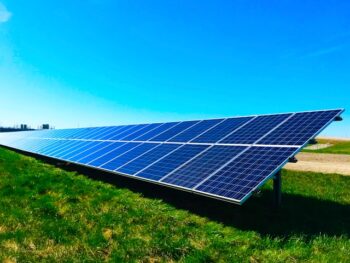
Traditional education often silos engineers, economists, and environmentalists into separate categories. However, the energy transition requires “systems thinkers” who can see how these fields overlap. A professional might need to evaluate how a new solar farm impacts local biodiversity while simultaneously calculating its economic return and its technical integration into a regional grid. This requires a high degree of cognitive flexibility and the ability to communicate across different departments.
| Skill Category | Specific Competency | Application in Energy |
| Digital Literacy | Python & Data Modeling | Grid optimization and forecasting |
| Environmental Law | Regulatory Compliance | Navigating carbon credit markets |
| Energy Storage | Chemical Engineering | Improving battery density and lifespan |
| Project Management | Agile Methodology | Faster deployment of renewable assets |
Soft Skills in a Technical World
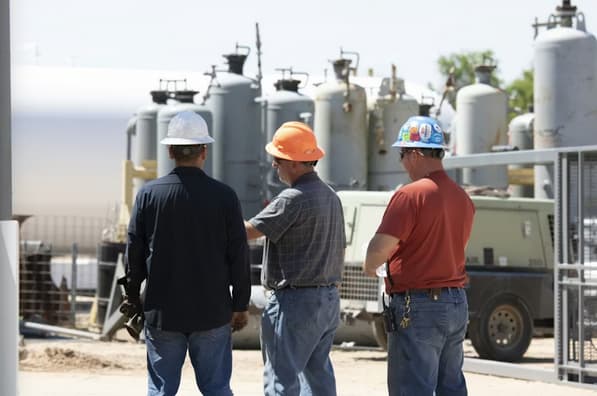
While technical prowess is mandatory, the “soft” skills of negotiation and community engagement are becoming increasingly critical. Energy projects, particularly large-scale wind or transmission lines, often face local opposition. Professionals must be able to act as intermediaries between technical teams and the public, explaining complex concepts in accessible ways. This involves a mix of empathy, ethical reasoning, and strategic communication. The ability to build trust within a community is often the deciding factor in whether a multi-billion dollar project gets the green light or stalls in the planning phase.
Adapting to a Decentralized Workforce
The physical nature of the energy industry is changing, and with it, the way we work. We are moving away from a model where thousands of employees work at a single power plant toward a decentralized model where technicians manage distributed assets over vast geographic areas. This shift requires:
- Proficiency in remote monitoring and augmented reality (AR) for field repairs.
- Autonomy and high-level problem-solving skills without immediate supervision.
- Strong cybersecurity awareness to protect decentralized nodes from digital threats.
Continuing Education and Agility
The pace of innovation in energy means that a degree earned today may be partially obsolete in ten years. Therefore, the most important skill a professional can possess is “learnability.” The energy industry will favor those who actively seek out certifications in emerging fields like carbon capture, utilization, and storage (CCUS) or green hydrogen production. This culture of continuous improvement ensures that the workforce remains as dynamic as the technology it manages. Ultimately, the future belongs to those who view the energy transition not as a threat to their current role, but as an expansive new frontier for professional growth and global impact.